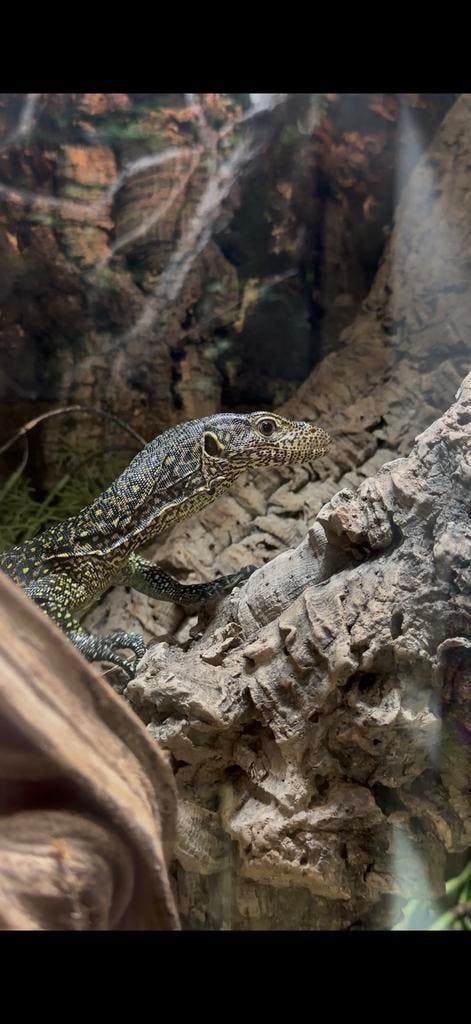
Varanus doreanus kaufen

Ursprünglicher Preis war: €800.00€500.00Aktueller Preis ist: €500.00.
Brief description: Buy Varanus doreanus at reptilienverkauf.de: Blue-tailed monitor lizard, 0.0.1, located in Germany, price €500. Clear animal information, secure shipping within Germany and to Europe. Available online only.
Buy Varanus doreanus at reptilienverkauf.de – Blue-tailed monitor lizard 0.0.1, €500
Anyone looking to buy a Varanus doreanus and preferring a verified seller with transparent information about the animal will find this offer at reptilienverkauf.de. This listing is for one Varanus doreanus, also known as a blue-tailed monitor, number 0.0.1, for €500. The animal is located in Germany. Shipping within the EU is possible. Pick-up is only available for licensed keepers by prior arrangement. All other buyers will receive their animal via shipping.
What is a Varanus doreanus?
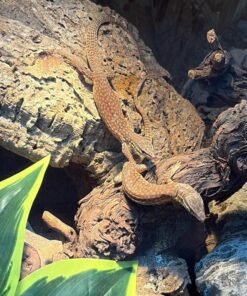
Varanus doreanus, commonly known as the Blue-tailed Monitor, is a medium to large monitor lizard species from the Indo-Pacific region. Its natural range includes New Guinea and adjacent islands. The species belongs to the Varanus indicus group, a collective term for closely related monitor lizard species that are morphologically similar but genetically and geographically distinct.
The name blue-tailed monitor refers to the bluish coloration of the tail, which is particularly pronounced in juveniles. Varanus doreanus is rare in European terrarium keeping and is primarily sought after by specialized keepers and breeders with experience in keeping large, moisture-loving monitor species.
What does 0.0.1 mean in this listing?
| notation | Meaning |
|---|---|
| First digit (0) | Number of males |
| Second digit (0) | Number of females |
| Third paragraph (1) | Number of animals of indeterminate sex |
0.0.1 indicates an animal whose sex has not yet been definitely determined at the time of listing. For definitive information on the sex, it is recommended to contact the seller directly before purchasing.
How big does a Varanus doreanus get?
| feature | Details |
|---|---|
| Total length adult | 100 to 130 cm |
| tail length | Approximately 60% of the total length |
| anatomy | Slim, muscular, long neck |
| juvenile color | Bluish tail, conspicuously spotted |
| Adult coloration | Darker, brown to blackish with light spots |
| Growth period | Several years until full size |
Varanus doreanus is one of the medium-sized members of the Varanus indicus group. Despite its length, the species is slender and lighter than many other monitor lizard species of similar size.
What happens if a monitor lizard bites?
A bite from Varanus doreanus is painful and should be taken seriously, but is generally not a medical emergency for healthy adults. The following points are relevant:
- Monitor lizards have powerful jaws and sharp teeth that can cause deep wounds.
- The saliva of monitor lizards contains bacteria that can cause infection.
- Monitor lizards produce a weak toxin in their salivary glands that can cause local swelling, pain, and bleeding in humans.
- In case of a bite: Clean and disinfect the wound immediately and have it examined by a doctor.
- Tetanus protection should be up to date.
- Consult a doctor if you experience severe swelling, fever, or persistent pain.
The risk of a bite can be significantly reduced by handling the animal calmly and respectfully and by having sufficient experience in handling monitor lizards.
Are all monitor lizards poisonous?
No, not all monitor lizards are poisonous in the classical sense, but all monitor lizard species produce substances in their salivary glands that have weak toxic properties:
| aspect | Details |
|---|---|
| Poison production | All Varanidae produce weak toxins in their salivary glands. |
| Effect on people | Local swelling, tendency to bleed, pain |
| Risk of death | Not applicable to healthy adults |
| Main risk from a bite | Bacterial infection, not the poison itself |
| Comparison with venomous snakes | Not comparable, significantly weaker effect |
Varanus doreanus is not a dangerous animal in the sense of venomous snakes or crocodiles, but handling it requires respect and experience.
Can you touch a monitor lizard?
Yes, but with clear limitations:
- Monitor lizards that have been raised in human care from birth can be accustomed to handling.
- Getting used to the animal requires time, patience, and consistent positive experiences.
- Varanus doreanus is a species that is not naturally tame and must learn to handle gradually.
- Wild-caught or newly acquired animals should initially be left alone until they have acclimatized.
- Handling should always be calm and controlled.
- Animals showing signs of stress, such as an open mouth, puffed-out throat, or rapid tail swishing, should not be touched.
Varanus doreanus Care: What do owners need to know?
Varanus doreanus is only suitable for experienced reptile keepers. The following husbandry requirements must be fully met before purchase:
- Minimum terrarium size for an adult animal: 200 x 100 x 100 cm
- Heat spot: 50 to 60 degrees Celsius
- Ambient temperature during the day: 28 to 32 degrees Celsius
- Nighttime temperature: not below 22 degrees Celsius
- Humidity: 70 to 90 percent
- Substrate: moist coconut coir or peat-sand mixture, sufficiently deep
- Bathing facilities are necessary in the terrarium.
- Climbing opportunities recommended
- Diet: Crabs, shrimp, fish, rodents, eggs, insects
- UV-B lighting is recommended
- Regular veterinary check-ups by a veterinarian specializing in reptiles
Manifesto: What do you get with your purchase?
| position | Details |
|---|---|
| Animal species | Varanus doreanus |
| notation | 0.0.1 |
| Gender | Uncertain |
| Visual Morphs | No |
| Heterozygous genes | No |
| Old | Details not provided |
| health | Details not provided |
| Documents of origin | Details not provided |
| Location | Germany |
| Price | 500 € |
| Delivery | Shipping within Germany and EU |
Varanus doreanus vs. related monitor lizard species
| feature | Varanus doreanus | Varanus indicus | Varanus dumerilii | Varanus acanthurus |
|---|---|---|---|---|
| Adult size | 100 to 130 cm | 120 to 150 cm | 100 to 150 cm | 50 to 70 cm |
| Origin | New Guinea | Indo-Pacific | Southeast Asia | Australia |
| moisture requirements | High | High | High | Low |
| tail coloration | Bluish in young animals | yellowish-spotted | Dark | Prickly |
| Main food | Crabs, fish | Crabs, fish | Crabs, crustaceans | insects |
| Availability | Rarely | Rarely | Rarely | Medium |
| CITES status | Listed | Listed | Listed | Listed |
What should buyers know before purchasing?
- Varanus doreanus ist CITES-gelistet, Haltungsnachweise und Meldepflichten können je nach Bundesland bestehen
- Das Geschlecht des Tieres ist als 0.0.1 angegeben, also noch nicht bestimmt, vor dem Kauf beim Verkäufer nachfragen
- Die Art benötigt ein großes Terrarium mit hoher Luftfeuchtigkeit, das vor Ankunft vollständig eingerichtet sein muss
- Krebstiere und Fische als Hauptnahrung erfordern eine verlässliche Bezugsquelle
- Die Art ist nicht für Anfänger geeignet und erfordert Erfahrung im Umgang mit großen Waranarten
- Handling sollte erst nach vollständiger Akklimatisierung schrittweise eingeführt werden
Rechtliche Hinweise zur Haltung von Varanus doreanus
Varanus doreanus unterliegt dem Washingtoner Artenschutzabkommen (CITES). Käufer sind verpflichtet, sich vor dem Kauf über die geltenden Haltungs- und Einfuhrvorschriften in ihrem Bundesland zu informieren. In Deutschland kann eine Meldepflicht bei der zuständigen Naturschutzbehörde bestehen. Käufer tragen die Eigenverantwortung für die Einhaltung aller geltenden Gesetze.
reptilienverkauf.de empfiehlt, vor dem Kauf die zuständige Naturschutzbehörde oder einen auf Reptilienrecht spezialisierten Anwalt zu konsultieren.
Geschätzter Marktwert und Wiederverkaufspotenzial
| Bewertungspunkt | Details |
|---|---|
| Angebotspreis | 500 € |
| Typische Marktspanne Varanus doreanus | 400 € bis 900 € pro Tier |
| Verfügbarkeit im Handel | Gering, seltene Art |
| Nachzuchtpotenzial | Hoch bei korrekter Haltung und Geschlechtsbestimmung |
| Wiederverkaufswert | Abhängig von Alter, Gesundheit und Dokumentation |
| Marktnachfrage | Stabil unter spezialisierten Waranhaltern |
Wo kann man einen Varanus doreanus in Deutschland kaufen?
| Kaufort | Vorteil | Nachteil |
|---|---|---|
| Zoohandlung | Tier vor Ort sichtbar | Varanus doreanus praktisch nie verfügbar |
| Reptilienbörse | Gelegentlich verfügbar | CITES-Dokumentation oft unklar |
| Online bei Privatpersonen | Günstig | Herkunft kaum nachweisbar |
| reptilienverkauf.de | Klare Tierangaben, Standort Deutschland, sicherer Versand | Nur Online-Kauf, kein Walk-in |
Warum sind unsere Tiere anders?
Bei reptilienverkauf.de wird Varanus doreanus klar unter seinem wissenschaftlichen Namen inseriert. Die Notation 0.0.1 wird ehrlich angegeben, anstatt ein unbestimmtes Geschlecht als bestätigt zu verkaufen. Käufer erhalten alle verfügbaren Informationen und können gezielte Rückfragen stellen, bevor sie eine Kaufentscheidung treffen.
Warum bei reptilienverkauf.de kaufen?
- Seltene Art klar und ehrlich beschrieben
- Notation 0.0.1 transparent angegeben
- Standort Deutschland, EU-Versand möglich
- Fairer Preis: 500 € für einen Varanus doreanus
- Transparente Inseratspolitik ohne versteckte Kosten
- Direktkontakt mit dem Verkäufer
Versand innerhalb und außerhalb Deutschlands
Tiere werden innerhalb Deutschlands und in EU-Länder versandt. Der Versand erfolgt tierschutzkonform mit geeigneten Transportbehältern und unter Berücksichtigung der Außentemperaturen. Bei CITES-gelisteten Tieren können zusätzliche Dokumente für den grenzüberschreitenden Transport erforderlich sein.
| Versandziel | Verfügbarkeit |
|---|---|
| Deutschland | Verfügbar |
| EU-Länder | Verfügbar |
| Außerhalb EU | Available upon request; Buyer is responsible for import regulations and CITES documentation. |
No pick-up service except for license holders
reptilienverkauf.de is a purely online retailer. Personal collection is generally not possible. Exception: Buyers with valid proof of expertise or an official keeper’s license can arrange collection by prior agreement. All other buyers will receive their animal exclusively via shipping.
FAQ
What is a Varanus doreanus?
Varanus doreanus is a medium-sized monitor lizard species from New Guinea, also known as the blue-tailed monitor. This species belongs to the Varanus indicus group and grows to a length of 100 to 130 cm. Juveniles exhibit a characteristic bluish tail coloration.
How big does a Varanus doreanus get?
An adult Varanus doreanus reaches a total length of 100 to 130 cm. The tail makes up about 60 percent of the total length. The species has a slender build.
How much does a Varanus doreanus cost?
This animal is being offered for €500. Typical market prices for Varanus doreanus range between €400 and €900 per animal, depending on sex, age, and availability.
What happens if a monitor lizard bites?
A monitor lizard bite causes painful wounds and can be infected by bacteria in the saliva. The mild venom causes local swelling and bleeding. Clean and disinfect the wound immediately and have it checked by a doctor.
Can you touch a Varanus doreanus?
Yes, but only after gradual acclimatization. Newly acquired animals need time to adjust. Handling should be calm and controlled, and never forced.
Are all monitor lizards poisonous?
All monitor lizard species produce weak toxins in their salivary glands. For healthy adults, the effects of a bite are not life-threatening. The greater risk from a bite comes from bacteria in the saliva, not from the venom itself.
Is Varanus doreanus a protected species?
Yes. This species is listed under CITES. Buyers must inform themselves about applicable keeping and reporting requirements in their state.
Is Varanus doreanus suitable for beginners?
No. This species has high requirements regarding terrarium size, humidity, diet, and handling. It is only suitable for experienced reptile keepers.
Can I pick up the animal in person?
Only with valid proof of expertise or official license and after prior agreement. Without a license, delivery is exclusively by mail.
Schreibe die erste Rezension für „Varanus doreanus kaufen“
Ähnliche Produkte
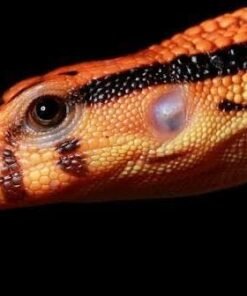
Monitor Lizard

Monitor Lizard
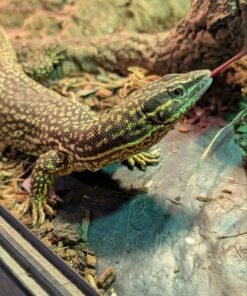
Monitor Lizard
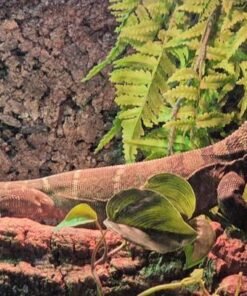
Monitor Lizard
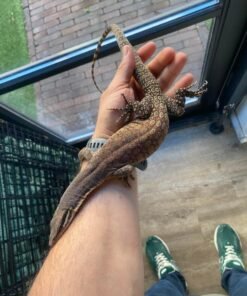
Monitor Lizard
Monitor Lizard
Monitor Lizard
Rezensionen
Es gibt noch keine Rezensionen.